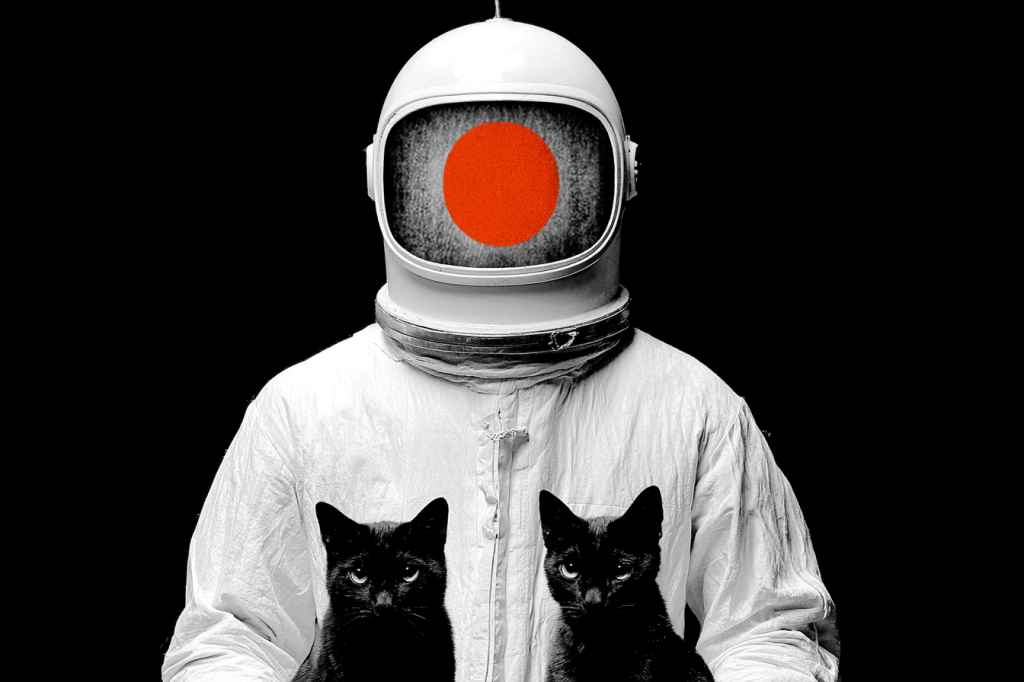
Perhaps this is your first time encountering the word “psychonautic” or “psychonaut”. It isn’t unrelated to psychology. A psychologist is someone who studies the mind or psyche, a psychonaut is someone who explores it.
Dissecting the mind into its component parts (such as id, ego, and super ego in psychoanalysis, or such as basic feelings or needs in Nonviolent Communication), and seeking for a mind to obey logical rules, as we compare the two, is much more in the realm of psychology than psychonautics. Both may value new experiences, or even weirdly new experiences as they bring our minds and their functioning into sharper relief. But, to characterize psychonautics as a separate entity from psychology, we can say that psychonautics places a higher value on this kind of newness and openness to newness.
Neither psychonautics nor psychology should require the use of mind-altering drugs for their practice. We might even say that such use is an entirely distinct practice — that of psychopharmacology. That said, we do tend to associate recreation drug exploration, if not regular use, more closely with psychonautics.
Deeply unfortunately and all too prevalent in our opinion is the use of psychopharmacology to repress the psychonautic impulses of those who can be deemed “psychotic” due to social and other factors.
There is a difference between working with and working against a patient just as their is a difference between working with and working against our own bodies or minds.
In latent Diagnosis Theory, with privileging of control above any other conceivable value, the psychonautic and psychotic are made out to be the same thing. That is to say, whether a person had a non-normative experience because it was their sincere desire to have such an experience, or whether such an experience was foisted upon them by biological or other factors, is largely irrelevant. In this logic, the only conceivable reason that a person would seek out a non-normative psychic experience would be as a symptom of a psychic illness. In addition to being inherently vulnerable to abuse, even if care is given, it definitionally can’t be non-coercive care much less foster a sense of strength, self-determination, or self-worth in those taken under as “patients”. Will and discussion of will is irrelevant, or at least the will of the subject of care is irrelevant. The will of the normative system and its enforcers (however difficult it may be decipher as coerced compliance may demand performances of psychosis and reward only convincing ones) is supreme.
By applying the lens of Misdiagnosis Theory we reenter the world as it ought to be, and in many ways is. A world where people are free to explore their own mind or even collective mind in any way that they see fit, so long as it doesn’t cause any harm to others, is a world we ought to live in. And it is a world we do live in. In a sense. If we choose to believe, the pharmaceutical industry, the reigning psychiatric orthodoxy, and even the worst actors within these systems, do not harm us and cannot. Our rights to freedom within our own mind are inalienable, and these are the most inalienable of our rights as individuals. The evidentiary or self-evidentiary nature of these truths ought not to lull us too far into a state of calm or complicity, or into forgetting our traumas at the hands of an unjust or coercive system, or into imagining that such experiences do not exist or have never existed or are not widespread. But rather, by reminding ourselves of these truths, we can create for ourselves psychological safety wherein we can survive, wherein we can continue growing and learnings as beings, minds, psyches, souls within the universe.
It is not a matter of escaping to a world of one’s one. Rather, we seek community with those like ourselves. Psychonautic exploration is not required for membership in MA, only identifying as misdiagnosed person who wants to improve their life is. However, as we share our experience and strength, it is important for us to recognize that our greatest strengths and insights might not just be “when we finally got help”, but our own internal strength and the insight we form through our own uniquely expert approach to our experience. In a psychiatric environment where insight is technically defined as agreeing compliantly with a professional expert about the nature of your illness, all too our often our strengths, insights, and virtues are erased. These may include but are not limited to: curiosity, sensitivity, imagination, resilience, courage, and critical thinking skills.
 Misdiagnosed Anonymous
Leave a comment